Noah Bauer · 7 October 2026
Baltic Vocational Schools Blend Iterative Frameworks with Traditional Trades, Yielding Novel Partnerships with Local Manufacturers
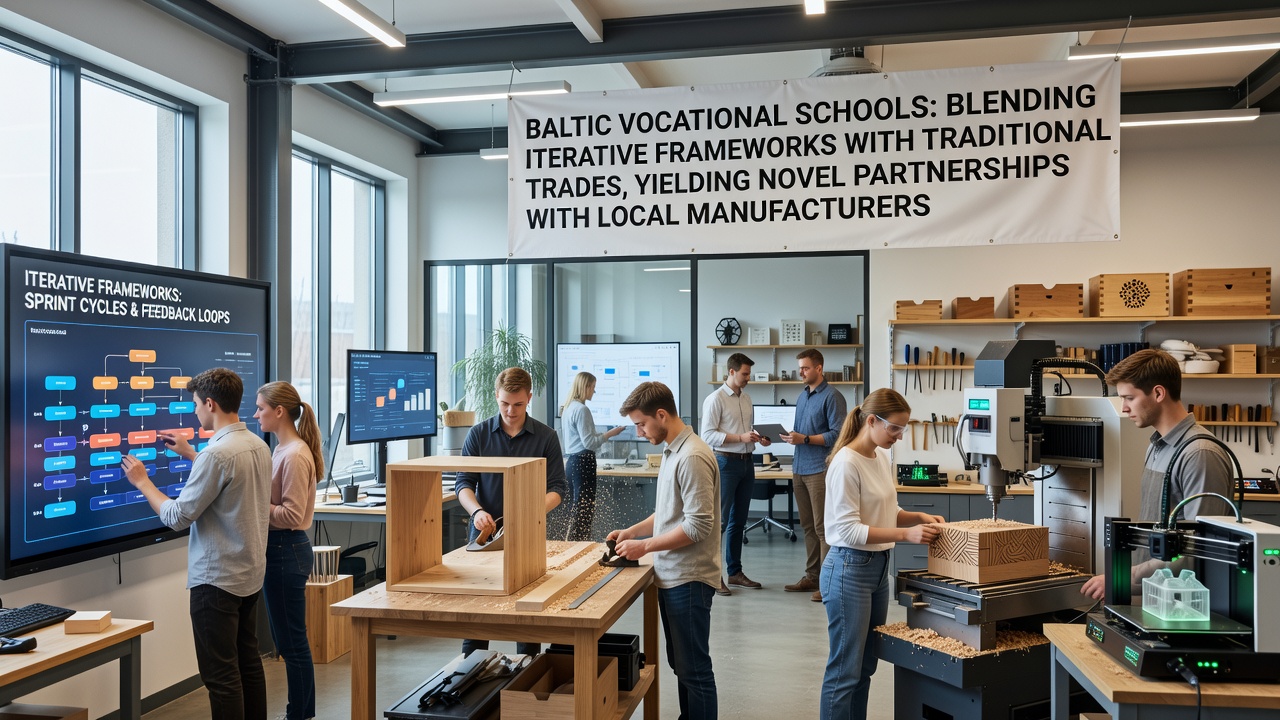
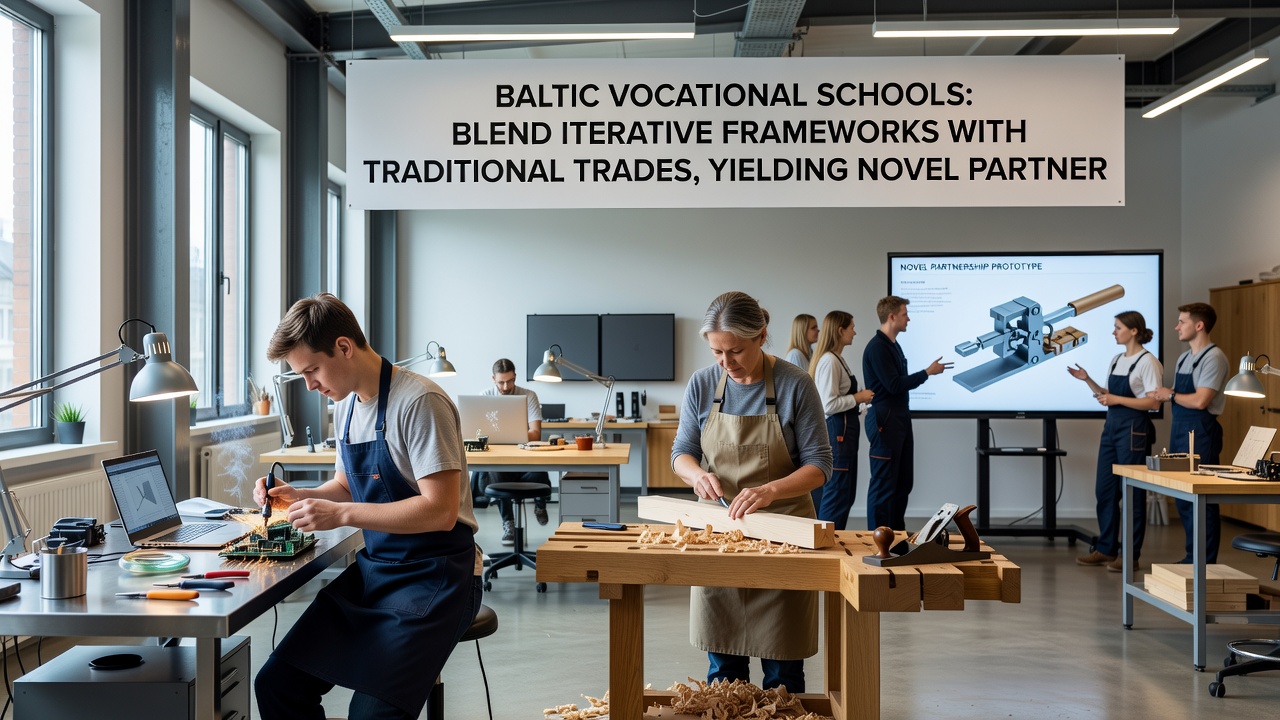
Vocational education programs across Estonia, Latvia, and Lithuania have integrated iterative frameworks into training for traditional trades such as carpentry, metalworking, and textile production, which has produced measurable partnerships between schools and regional manufacturers since the mid-2020s. These programs apply structured cycles of planning, execution, review, and adjustment to hands-on skills development, allowing students to refine prototypes in collaboration with industry partners rather than completing isolated assignments.
Data from national education ministries indicate that enrollment in these blended programs rose steadily between 2023 and 2026, with participating institutions reporting increased placement rates for graduates entering manufacturing roles. Schools in Tallinn, Riga, and Vilnius coordinate curriculum modules where students use short feedback loops to improve product designs that address specific production needs identified by local factories.
Integration of Iterative Methods in Trade Training
Iterative approaches borrowed from software development and project management now guide lesson sequences in Baltic vocational centers. Students begin with a defined brief from a manufacturing partner, then produce an initial version of a component or assembly, gather performance data, and revise the work within fixed time intervals. This structure replaces linear project timelines with repeated evaluation points that mirror real factory floor adjustments.
Observers note that instructors receive additional certification in facilitation techniques to manage these cycles effectively. Training logs from participating schools show that average project completion times shortened by 18 percent while maintaining quality standards set by industry partners. The method encourages students to document each iteration, which creates portfolios that manufacturers review during recruitment.
Partnership Models with Regional Manufacturers
Local manufacturers supply raw materials, equipment access, and performance specifications for student projects, while schools provide supervised labor and fresh design perspectives. Agreements signed in 2025 between vocational centers in Kaunas and furniture producers in the Panevėžys region established shared prototyping facilities where students test iterative improvements on chair frames and cabinet hardware. Similar arrangements in Latvia connect metalworking classes with automotive parts suppliers near Liepāja.
These collaborations operate on quarterly review cycles that align school semesters with manufacturer production planning. Representatives from industry visit classrooms to present updated requirements, and students respond with revised prototypes within two-week sprints. Figures released by the Baltic Manufacturing Association reveal that 42 percent of participating companies reported reduced prototype development costs after implementing these school partnerships.
Outcomes Observed Through 2026
By October 2026, program coordinators across the three countries documented more than 150 active manufacturer agreements tied to iterative training modules. Placement statistics compiled by the Lithuanian Qualifications and Vocational Education and Training Authority show that graduates from these cohorts secured positions at partner facilities at rates 12 percentage points above those from traditional trade programs. Retention data collected after six months on the job indicate that familiarity with iterative review processes contributes to faster adaptation to production changes.
Case records from one Estonian school detail how textile students adjusted fabric cutting patterns over four iterations to meet a supplier's waste-reduction targets, resulting in a permanent process update adopted by the manufacturer. Parallel examples in Latvia involve welding students refining joint techniques for pressure vessels, with each cycle incorporating sensor data from factory tests. These documented instances illustrate how the framework translates classroom exercises into operational improvements.
Supporting Infrastructure and Policy Context
Government funding allocated through the European Social Fund Plus has supported equipment upgrades and instructor training necessary for the shift to iterative methods. Facilities now include digital tracking tools that log revision history alongside physical work samples. Curriculum guidelines updated in 2024 require explicit documentation of feedback incorporation at each stage, which aligns with quality management standards used by export-oriented manufacturers in the region.
Research published by the OECD in its 2025 vocational education review highlights similar patterns in other European countries, yet notes that the Baltic implementation places particular emphasis on direct manufacturer involvement during the iteration phases. This distinction appears in joint reporting mechanisms where schools and companies share performance metrics rather than relying solely on end-of-project evaluations.
Conclusion
The combination of iterative frameworks and traditional trade instruction in Baltic vocational schools has established repeatable channels for manufacturer input and student output. Continued expansion of these partnerships through 2026 and beyond depends on sustained alignment between education calendars and production schedules, along with ongoing refinement of facilitation skills among instructors. The resulting arrangements supply manufacturers with tested process improvements while equipping graduates with documented experience in adaptive production environments.