Noah Bauer · 18 November 2026
Central European Farming Schools Integrate Iterative Planning into Sustainable Agriculture Curricula, Forming Ties with Local Tech Innovators
Central European farming schools have begun embedding iterative planning methods into sustainable agriculture programs, creating structured cycles of testing, review, and adjustment that mirror processes used in technology development sectors. These changes emerged across institutions in countries including Poland, Czechia, and Hungary, where educators observed gaps between traditional farming instruction and the demands of climate-adaptive practices. Data from regional education ministries indicate that over 45 programs adopted such frameworks by mid-2025, with additional rollouts scheduled for November 2026 in coordination with harvest season evaluations.
Expansion of Iterative Approaches in Agricultural Training
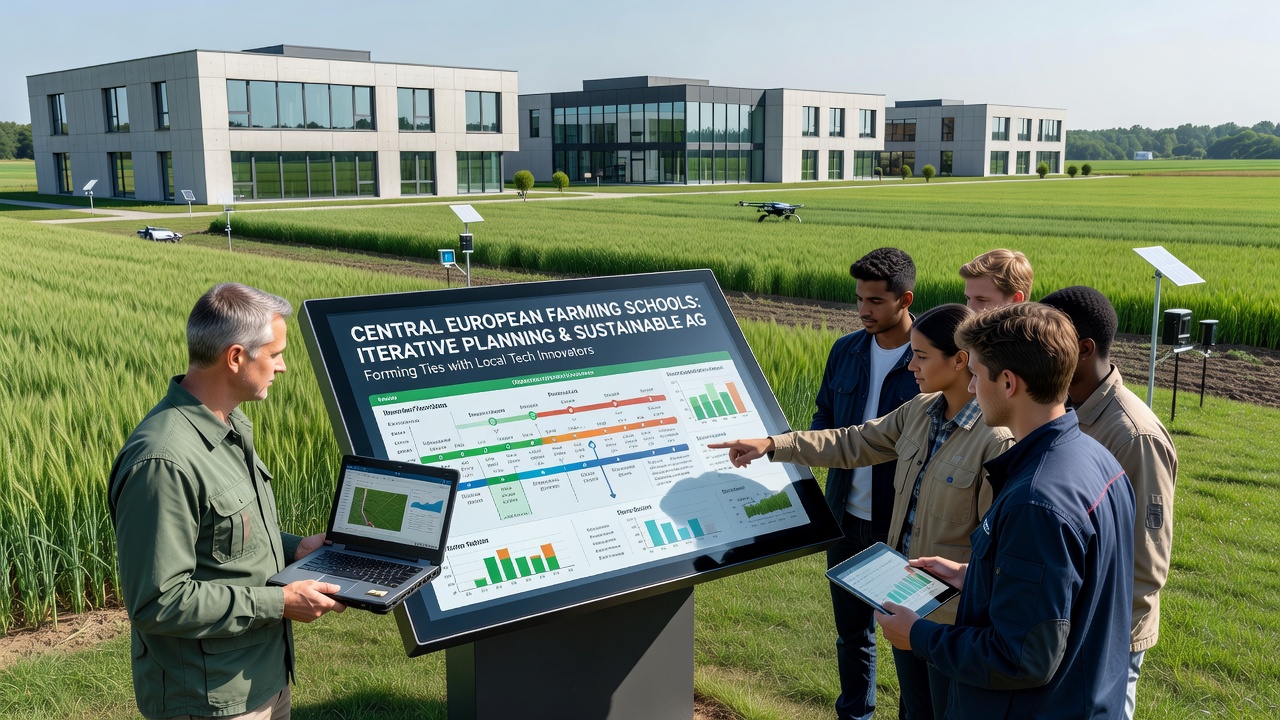
Iterative planning involves breaking down complex agricultural projects into repeated phases of planning, execution, measurement, and refinement, allowing students to adjust strategies based on real-time soil data, weather patterns, and yield metrics. Observers note that farming schools in the region integrated these loops into coursework on crop rotation, water management, and pest control, replacing linear semester-long projects with shorter feedback intervals. Research from the European Commission's agriculture directorate shows participation in pilot cohorts rose from 320 students in 2023 to 1,850 across 12 institutions in 2025, driven by partnerships that supplied sensor technology and analytics platforms.
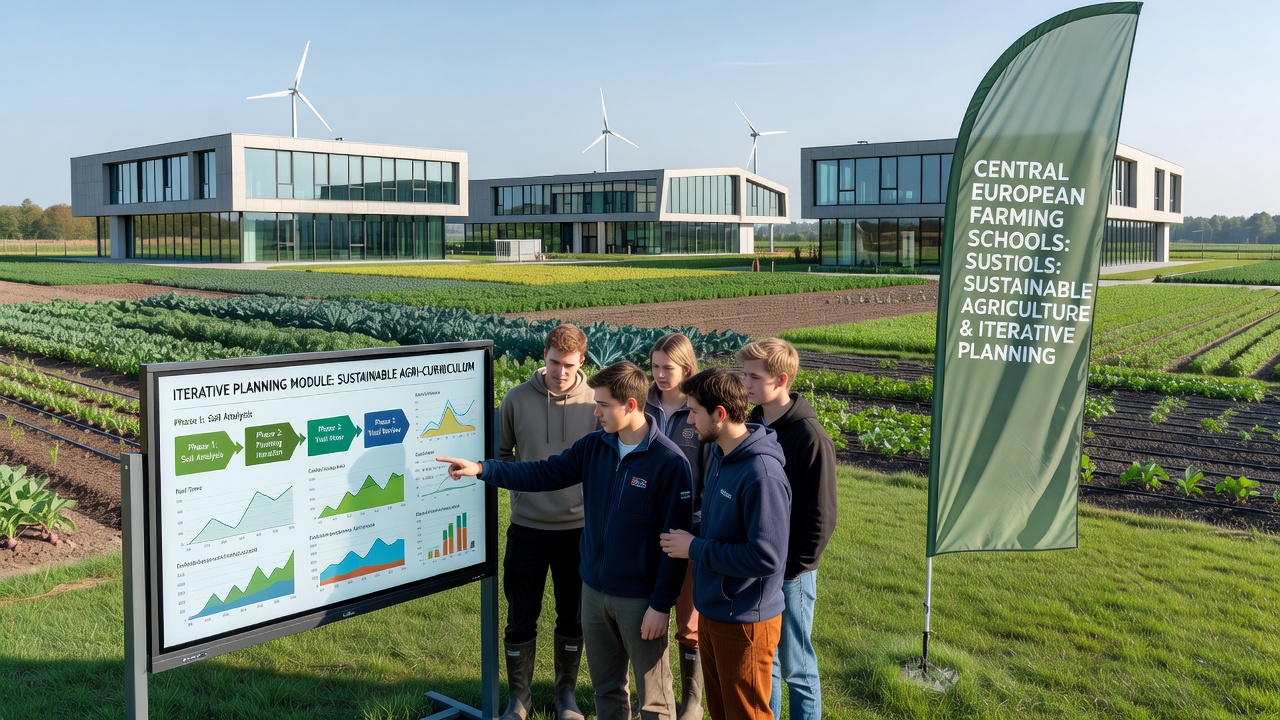
Schools replaced static lesson plans with modular units where learners collect field measurements, analyze results in digital dashboards, and revise planting schedules within two-week cycles. This structure draws from established project management techniques yet remains grounded in local agronomic conditions, such as variable rainfall in the Carpathian basin or soil degradation patterns along the Vistula river corridor.
Formation of Partnerships with Regional Technology Providers
Local tech innovators supplied the tools that made these curriculum shifts possible, including IoT soil probes, satellite imagery interfaces, and custom software for tracking resource inputs. Institutions in Bratislava and Brno established formal agreements with startups specializing in precision agriculture hardware, granting students access to live datasets while companies received anonymized feedback on product performance under farm conditions. Figures from the Visegrad Group innovation fund reveal that 28 such collaborations were active by October 2025, up from seven documented in 2022.
One program at a vocational academy near Kraków pairs second-year students with a sensor manufacturer to monitor nitrogen levels across test plots, then iterates fertilization schedules every ten days based on sensor readings and historical yield records. Another initiative in Debrecen links horticulture classes with a drone-mapping firm, where participants refine vineyard layouts after each growing stage using aerial imagery processed through iterative review sessions.
Documented Outcomes Across Multiple Institutions
Tracking data collected through 2025 indicates measurable shifts in student performance metrics. Reports compiled by the Central European Agricultural Education Network list average improvements of 18 percent in project completion rates and 12 percent gains in measured resource efficiency among cohorts using iterative methods compared with prior traditional tracks. These outcomes appear in both classroom simulations and on-site apprenticeships, where learners apply revised plans across consecutive planting windows.
Administrators at participating schools report that the approach also strengthened connections between curricula and regional supply chains, because iterative reviews incorporate market price fluctuations and certification requirements for organic produce. External evaluations conducted by the Slovak Academy of Sciences confirm that participating farms reduced water usage by an average of 9 percent during monitored cycles without sacrificing output volumes.
November 2026 Implementation Timeline
Plans for broader adoption center on November 2026, when several schools intend to synchronize new course modules with post-harvest analysis periods. This timing allows incoming student groups to review full-season data before designing adjustments for teh following spring. Education authorities in the region have allocated supplementary grants through the EU's rural development program to support equipment upgrades and teacher training workshops ahead of that date.
Conclusion
Central European farming schools continue to refine these integrations as more data accumulates from ongoing cohorts. The combination of iterative planning structures with local technology partnerships has produced documented curriculum updates and measurable operational changes at multiple sites. Further tracking through 2026 and beyond will clarify long-term effects on graduate employment rates and farm sustainability indicators across the participating countries.