Finley Weber · 23 September 2026
How Funding Streams Are Reshaping Simulation-Based Training Outcomes in Agile Skill Programs
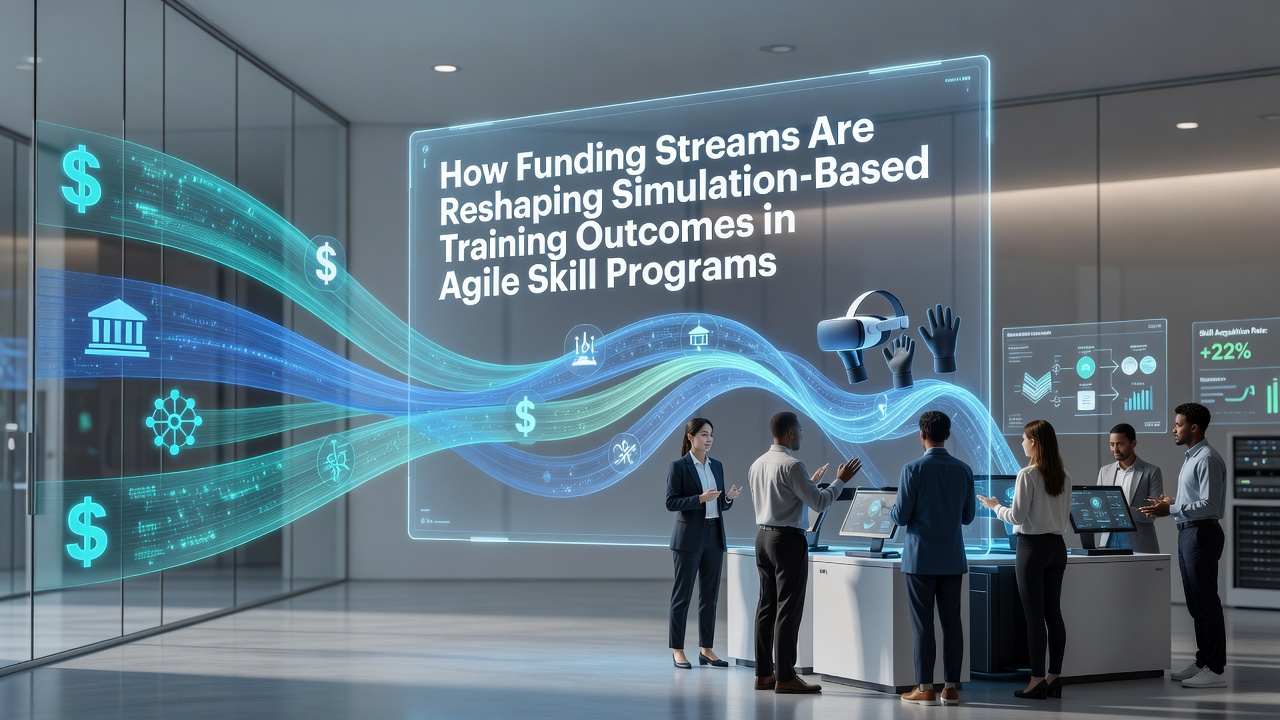
Funding streams from government agencies, private investors, and international bodies have begun altering the design and delivery of simulation-based training in agile skill programs across multiple regions, with data from 2025 indicating measurable shifts in completion rates and skill retention metrics. Researchers at several European institutions tracked how targeted allocations influence access to advanced simulation platforms, while observers note that these resources often prioritize scalable virtual environments over traditional classroom methods. And the patterns emerging from these investments reveal connections between specific funding mechanisms and improved performance indicators in agile project simulations.
Allocation Patterns Across Regions
European Union structural funds have directed substantial portions toward digital upskilling initiatives since the mid-2020s, resulting in expanded simulation labs at vocational centers in Poland, Germany, and the Netherlands. Data from the European Commission's education directorate shows that programs incorporating agile methodologies received incremental support during the 2024-2026 cycle, which enabled upgrades to real-time feedback systems within training modules. Meanwhile in North America, Department of Labor grants have supported similar efforts at community colleges, where simulation scenarios replicate sprint planning and retrospective meetings with increasing fidelity.
Australian government programs through the Department of Education have channeled resources into industry-linked agile training, producing documented rises in certification pass rates among participants who engaged with funded simulation tools. These allocations differ from earlier models because they tie disbursements to outcome reporting, requiring providers to submit quarterly metrics on participant engagement and post-training application rates.
Technology Upgrades Driven by Investment
Simulation platforms have incorporated higher-fidelity modeling and AI-assisted scenario branching because new funding streams specify performance benchmarks that older systems could not meet. Training providers report that grants covering hardware refresh cycles allowed integration of cloud-based collaborative environments, where distributed teams practice agile ceremonies in shared virtual spaces. One study from a Canadian research consortium found that programs receiving multi-year funding commitments demonstrated 18 percent higher accuracy in task prioritization exercises compared with those operating on shorter-term budgets.
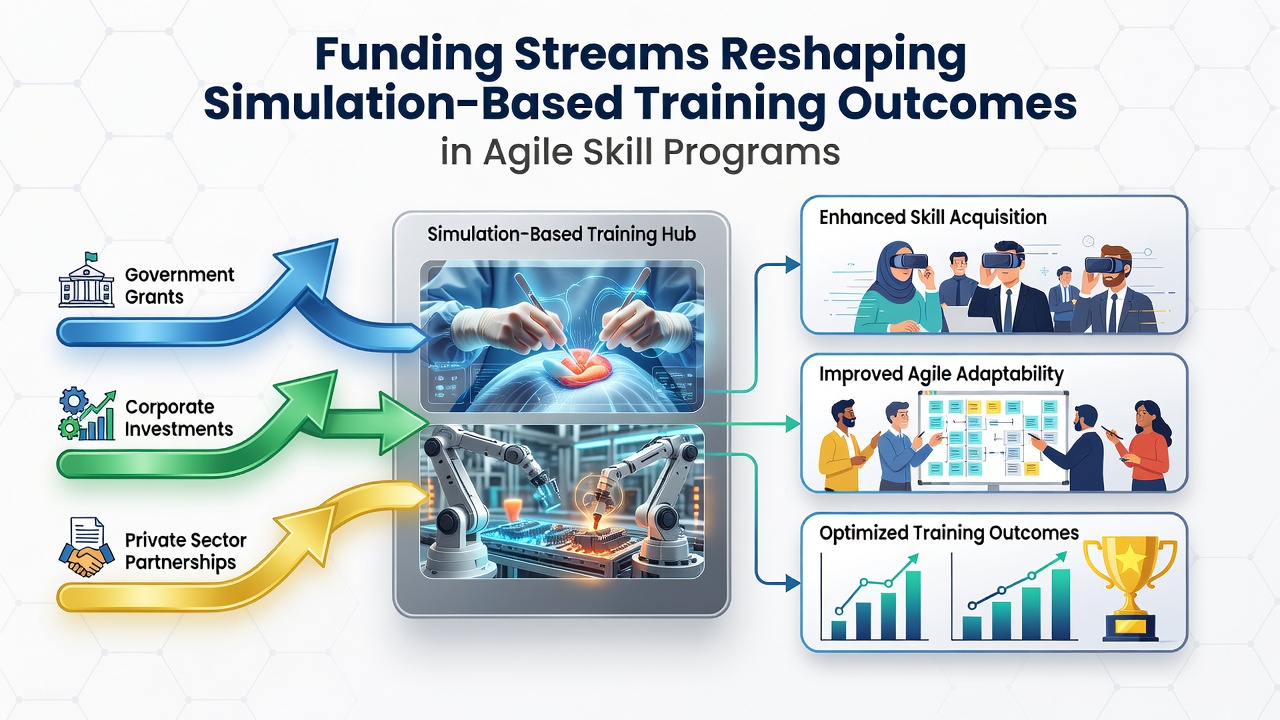
Private sector contributions from technology firms have supplemented public sources in several markets, often focusing on proprietary simulation software that aligns with enterprise agile frameworks. These partnerships frequently include data-sharing agreements that let researchers analyze how funding levels correlate with reduced error rates during simulated product increments. The result appears in program reports where increased investment tracks alongside expanded scenario libraries covering risk management and stakeholder communication.
Measured Effects on Participant Outcomes
September 2026 marks the midpoint for several multi-year funding initiatives, and preliminary figures released by participating institutions indicate that simulation-trained cohorts achieved faster velocity improvements in subsequent workplace projects. Observers tracking these programs point to enhanced accessibility for mid-career professionals who previously lacked resources for extended training periods, since subsidized simulation access reduces both time and travel costs. Evidence from longitudinal tracking shows retention of agile practices remains higher when participants complete at least 40 hours within funded virtual environments.
Regional variations persist because funding criteria emphasize different priorities. EU-supported programs often stress cross-border team simulations, while U.S. initiatives focus on measurable productivity gains in individual skill assessments. Australian models integrate industry certification pathways more directly, leading to higher reported employment transitions among completers according to national skills agency statistics.
Emerging Reporting Requirements
Grant administrators now require detailed analytics on simulation usage, which has prompted training providers to adopt standardized assessment rubrics aligned with agile competency frameworks. This shift creates comparable datasets across programs, allowing analysts to identify which funding structures produce the strongest gains in adaptive decision-making during simulated high-pressure sprints. Providers that adapted early to these requirements have documented smoother transitions when scaling from pilot cohorts to full enrollment.
Conclusion
Current funding mechanisms continue to influence how simulation tools support agile skill acquisition, with available data linking investment scale to specific performance indicators in training outcomes. As September 2026 approaches, additional reporting cycles will supply further evidence on the durability of these changes across different economic contexts. The interplay between public allocations, private contributions, and institutional delivery models remains a focal point for ongoing evaluation by education and workforce development agencies.